Big Feelings, Calm Classrooms: How Behavior Science Helps Preschoolers
Tantrums, meltdowns and tears at drop-off are a normal part of being 2, 3 or 4. Young children feel big feelings long before they have the words and skills to manage them. Here’s what behavior science teaches about why, and six simple strategies that help at school and at home.
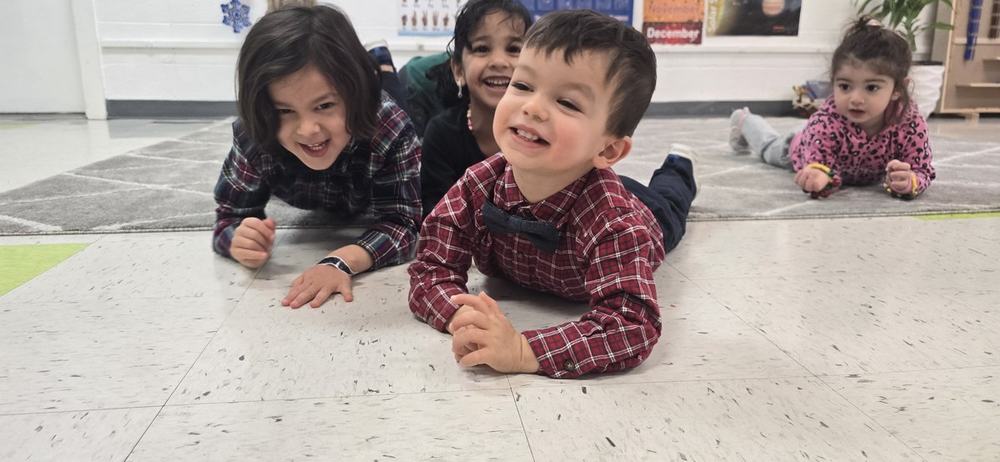
Why big feelings are normal at this age
Tantrums usually happen between ages 1 and 3, according to KidsHealth from Nemours. They’re how young children show they’re upset or frustrated, and they often show up when a child is tired, hungry or uncomfortable.
Young children also want more independence than they can handle yet. And when they can’t find the words for what they need, frustration comes out as behavior. As language grows, tantrums usually fade.
What behavior science adds
Behavior science treats behavior as communication. Instead of asking “How do I stop this?”, it asks “What is my child trying to tell me, and what can I teach instead?”
A simple way to look at any meltdown is A-B-C:
- A, what happened before: a transition, a toy taken away, a skipped snack.
- B, the behavior: crying, throwing a block, running off.
- C, what happened after: got the toy back, got out of clean-up, got extra attention.
Once you see the pattern, you can change what comes before and teach a better way to get what comes after.
6 strategies that help
1. Make the day predictable
Children cope better when they know what’s coming. A steady routine, plus a warning before each change, heads off many meltdowns: “Five more minutes, then it’s clean-up time.”
Try this at home: Give a five-minute and a one-minute warning before leaving the park or turning off a show.
2. Offer small choices
Choices give a child some control over small decisions, which leaves less to fight about. “Red cup or blue cup?” “Walk or hop to the car?”
Try this at home: Offer two choices you’re happy with either way.
3. Name the feeling
“You’re upset because your tower fell.” Naming a feeling helps a child feel understood and gives them words to use next time.
Try this at home: Name the feeling first, then hold the limit: “You’re angry. I won’t let you throw blocks.”
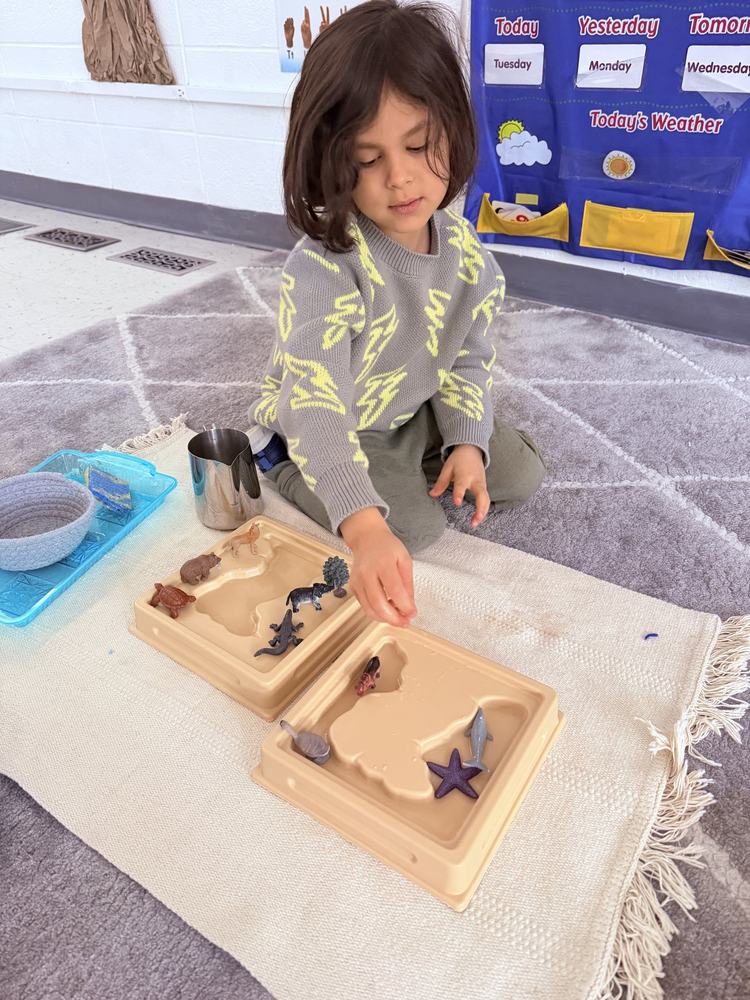
4. Notice the good, out loud
Children repeat what gets attention. Specific praise points them to the behavior you want: “You waited for your turn. That was hard!”
Try this at home: Try to catch your child doing something well several times a day, and say exactly what it was.
5. Teach what to do instead
Every “stop” needs a “do.” Show your child how to ask for help, take three slow breaths or squeeze a pillow when they’re upset. Practice when they’re calm, not in the middle of a meltdown.
Try this at home: Practice “smell the flower, blow out the candle” breathing together at bedtime.
6. Stay calm and consistent
Keep your voice low and your limits the same. Giving in to end a tantrum teaches that tantrums work. Afterwards, reconnect with a hug and praise your child for calming down.
Try this at home: Take one slow breath yourself before you respond.
How a Montessori classroom helps
Many of these ideas are built into Montessori. The day follows a predictable rhythm. Children choose their own work from open shelves, within clear limits. Practical-life and grace-and-courtesy lessons teach everyday skills like waiting, asking for help and saying “excuse me.” And a calm, orderly room makes calm easier.
Our 7:1 child–teacher ratio also means a teacher can step in early, before frustration turns into a meltdown.
Ms. Saritha's behavior science background
Our founder and director, Ms. Saritha Vellore, is AMS Certified and a Registered Behavior Technician (RBT®). The RBT is a paraprofessional certification in behavior analysis from the Behavior Analyst Certification Board.
That training shapes how she looks at behavior: noticing patterns, teaching skills step by step and celebrating progress. She brings that lens to her work with children and teachers at Milestones, alongside the Montessori approach.
When to talk to your child's doctor
Most tantrums are a normal part of growing up. KidsHealth suggests talking with your child’s doctor if tantrums happen more often, get more intense or last longer, if your child often hurts themselves or others, or if you often feel angry or out of control when you respond.
Want to see what a calm Montessori classroom looks like? Book a free 30-minute tour with Ms. Saritha. You might also like Is My Child Ready for Preschool? 8 Signs to Look For.